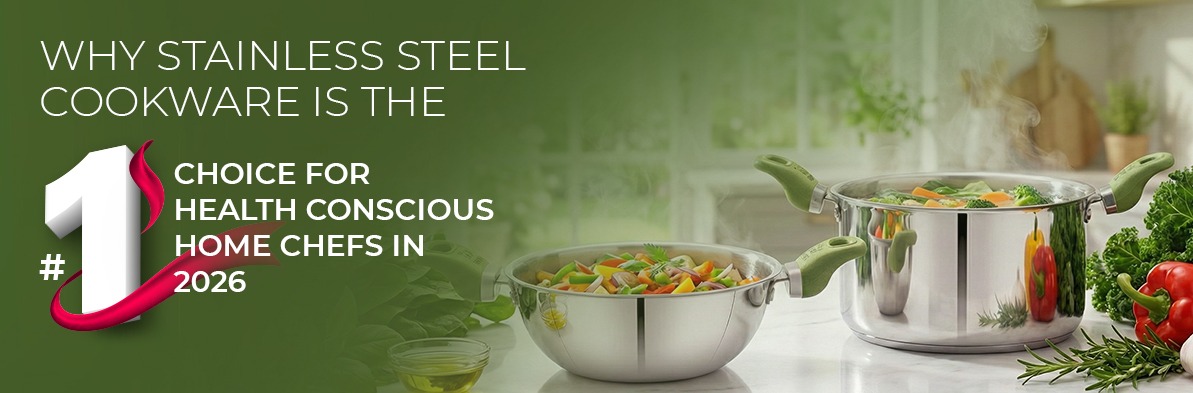
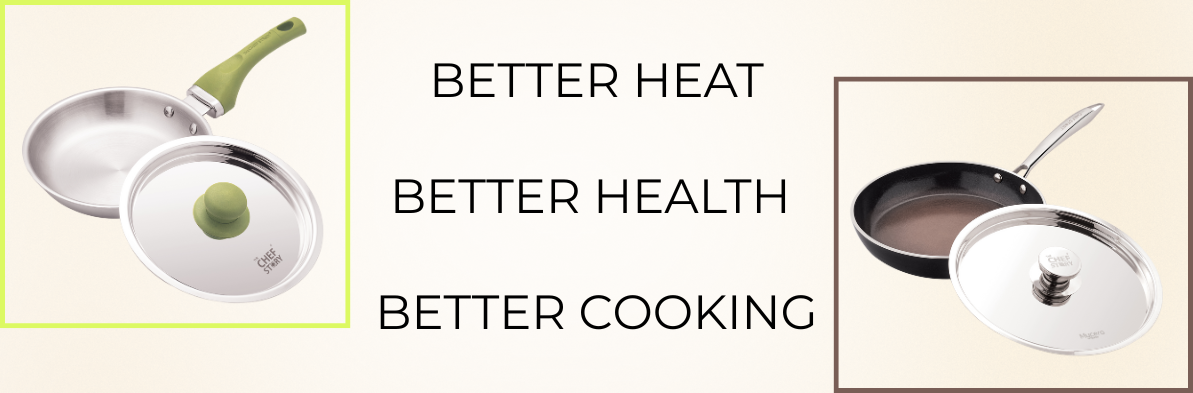
Good cookware supports consistent results during everyday cooking. Most families face issues with old or low-quality pans. Uneven heating affects taste and texture. Food sticks easily and slows down meal preparation. Some coatings break down and release harmful residues. These problems complicate simple recipes that should feel effortless. Upgrading to tri-ply stainless steel cookware or ceramic cookware solves many of these challenges. These materials offer stability, safety, and better performance for daily cooking. A small upgrade creates noticeable improvement in your kitchen routine.
What Makes Tri-Ply and Ceramic the Best Budget-Friendly Upgrades?
The Rise of Smart, Durable Cookware
Families today want cookware that lasts longer and performs reliably. They prefer options that support fast cooking without losing quality. Tri-ply cookware benefits home cooks who want steady heat for everyday tasks. Ceramic non-stick cookware supports low-oil cooking with a smoother surface. These upgrades feel practical because they reduce stress in the kitchen. People want simple tools that work well and need less maintenance.
Why Most Home Cooks Prefer Tri-Ply or Ceramic for Daily Use
Both materials offer value at affordable prices. Tri-ply distributes heat evenly and avoids hotspots. Ceramic cookware feels light, safe, and friendly for beginners. These qualities help people cook faster with fewer mistakes. The cookware stays stable through repeated use. These upgrades also fit most Indian cooking styles, from fast stir-fries to slow simmering.
What is Tri-Ply Cookware?
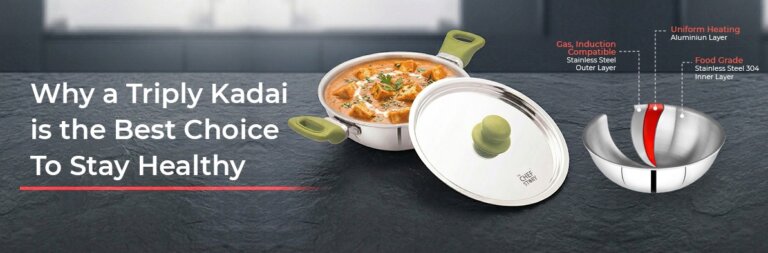
Tri-ply uses three bonded layers. Stainless steel forms the inner and outer surfaces. An aluminum core sits between them. This design spreads heat evenly across the pan. It removes cold spots that cause sticking. The structure supports long-term durability under heavy usage. It also works on gas, induction, and electric cooktops.
Tri-Ply Construction Explained
Tri-ply cookware works through a layered structure that improves heating and stability. Each layer supports a specific cooking need, which makes the cookware reliable for everyday Indian meals.
1. Stainless steel + aluminum core
The tri-ply build uses stainless steel on the inside and outside, with aluminum placed at the center. Stainless steel keeps the cooking surface safe, steady, and non-reactive with food. The aluminum core spreads heat across the pan, preventing cold spots that normally cause uneven cooking. This combination creates a balanced structure that responds quickly to temperature changes. It handles boiling, sautéing, and frying with consistent results. The stainless steel exterior also strengthens the cookware and supports induction cooking.
2. Even heating, durability, and versatility
The layered design ensures steady heating across the base and walls. This helps prevent burning during long cooking sessions. The stainless steel layers protect the cookware from stains, dents, and warping, even after daily use. The even heating supports recipes that shift between low and high flame. This makes tri-ply cookware suitable for Indian cooking styles that require both slow simmering and strong searing. Its durability and performance make it a versatile choice for families wanting dependable pots and pans without frequent replacements.
Benefits of Tri-Ply Stainless Steel Cookware
Tri-ply stainless steel cookware gives stable heating during daily cooking. The aluminum core improves heat distribution for uniform results. The stainless steel layers resist stains and scratches. The material stays safe under high heat and heavy use. This combination suits Indian cooking that requires repeated simmering or frying. It reduces burning and improves flavor control.
Why Tri-Ply is Worth the Investment for Everyday Cooking
Tri-ply cookware supports everything from boiling to searing. It handles strong heat without reacting with food. It lasts for many years with simple care. This makes it cost-effective for daily use. Tri-ply frying pans and saucepans help reduce cooking time. They also support low-oil methods when heated correctly.
What is Ceramic Cookware?
Ceramic cookware is made using a metal base coated with a sand-derived, non-stick ceramic layer. It heats evenly, doesn’t release harmful fumes, and offers a naturally slick cooking surface. Indian homes love it because it’s toxin-free, easy to clean, and perfect for everyday healthy cooking.
Ceramic Non-Stick Coating Explained
Ceramic coatings come from silica-based compounds baked at high temperatures. This process creates a smooth and stable cooking surface. The coating stays non-stick under medium heat. It remains free from harmful materials. It supports cooking with lower oil compared to regular pans.
Key Benefits of Ceramic Cookware
• Naturally Non-Stick Surface
Ceramic coating creates a smooth, slick cooking surface that prevents food from sticking without needing much oil. This makes everyday cooking lighter, easier, and healthier.
• Free from Harmful Chemicals
Unlike some traditional non-stick options, ceramic cookware is made without PFAS, PFOA, lead, or cadmium. It stays stable at high temperatures, giving you peace of mind with every meal.
• Even & Quick Heating
Ceramic-coated pots and pans heat up uniformly, reducing hotspots. This ensures your food cooks evenly—perfect for sautéing vegetables, simmering curries, or making delicate dishes like dosas and cheelas.
• Easy to Clean & Maintain
Food residue lifts off easily due to the smooth surface. A simple rinse with mild soap is enough, saving time and effort in the kitchen.
• Versatile for Indian Cooking
Whether it’s tadka, shallow frying, or slow-cooked sabzis, ceramic cookware handles diverse Indian cooking styles well. It maintains flavour without absorbing oils or spices.
• Health-Friendly Cooking
Because you use less oil and the material doesn’t react with food, ceramic cookware supports a cleaner, more balanced cooking routine—ideal for families, fitness-focused users, and health-conscious home cooks.
• Lightweight & Easy to Handle
Ceramic-coated pans are lighter than cast iron and easier to manoeuvre, making daily tasks like flipping rotis or stirring gravies more convenient.
Why Ceramic is a Smart Budget-Friendly Upgrade
• Affordable Compared to Premium Cookware
Ceramic cookware gives you quality performance without the heavy price tag of steel triply or cast iron. It’s an easy upgrade for homes that want reliable cookware without overspending.
• Great for Everyday Indian Meals
From sabzis to stir-fries, ceramic heats evenly and cooks daily dishes efficiently. You don’t need special techniques—just your usual home-style cooking.
• Safe, Toxin-Free Non-Stick Cooking
Ceramic coating offers a naturally non-stick surface without PFAS, PFOA, lead, or cadmium. Families get the convenience of non-stick cooking with better long-term safety.
• Uses Less Oil Without Sacrificing Taste
The smooth surface means food cooks well with minimal oil, helping you maintain flavour while supporting healthier habits.
• Practical Value for Busy Households
Easy cleaning, lighter weight, and faster cooking make ceramic cookware a smart, budget-friendly choice for families wanting good performance and everyday convenience.
H2: Tri-Ply vs Ceramic Cookware: Which One Should You Upgrade To?
Upgrading your cookware depends on what matters most in your everyday cooking. Tri-ply is a strong choice if you want long-lasting durability, high-heat performance, and the ability to handle everything from deep frying to heavy Indian curries. Ceramic cookware, on the other hand, suits families who prefer low-oil cooking, easy maintenance, and a naturally non-stick surface without harmful chemicals. Both deliver value, but the right pick depends on whether your priority is robust performance or healthier, hassle-free convenience.
Comparison Table – Heat, Durability, Price, Non-Stick Ability
| Feature | Tri-Ply Cookware | Ceramic Cookware |
| Heat Performance | Excellent heat retention and even heating; ideal for high-heat cooking | Quick, even heating; best for low–medium heat daily meals |
| Durability | Extremely durable; no coating to wear off | Good durability but coating lifespan depends on care |
| Price Range | Higher investment due to premium steel layers | More affordable and family-friendly |
| Non-Stick Ability | Semi–non-stick when seasoned; not as smooth as coated pans | Naturally non-stick; needs minimal oil |
| Safety | 100% metal; toxin-free with no coatings | PFAS, PFOA, lead & cadmium-free; safe at recommended temps |
| Maintenance | Needs proper cleaning; slightly heavier and more effort | Very easy to clean; lightweight and convenient |
| Weight | Heavier because of steel construction | Light and easy to handle daily |
| Cooking Style Suitability | Great for frying, searing, Indian curries, roasting, and high heat tasks | Ideal for stir-fries, dosas, cheelas, and low-oil home cooking |
| Longevity | Long-term investment; lasts for years | Moderate lifespan; depends on coating care |
Everyday Use Cases: How These Cookware Choices Improve Your Cooking
For Daily Dishes: Curries, Sabzi, Stir-Fries
Tri-ply works best for sabzi, dal, and curries. It heats evenly and prevents burning. Ceramic pans support gentle stir-fries and lighter vegetable dishes. Both materials help maintain clean flavors in daily meals.
For Quick Snacks and Breakfasts
Ceramic frying pans suit omelette-style dishes, chillas, and cutlets. The surface keeps snacks light and crisp. Tri-ply pans help with heavier snacks like paneer tawa fry or stir-fried items. Both options reduce effort during morning cooking.
For High-Heat or Low-Oil Cooking
Tri-ply handles high heat for browning and searing. It supports low-oil cooking once preheated properly. Ceramic handles low-oil cooking well but stays within medium heat. Both options improve nutrition by reducing unnecessary oil.
How to Build a Budget-Friendly Cookware Set With Tri-Ply and Ceramic
Creating a smart cookware set doesn’t mean buying everything at once—it means choosing pieces that give maximum value for daily Indian cooking. Start with one or two tri-ply essentials like a kadhai or saucepan for high-heat tasks, boiling, and everyday gravies. Then add ceramic pans for low-oil cooking, quick meals, stir-fries, and breakfast dishes. Mixing both materials lets you enjoy durability where you need power and non-stick convenience where you want speed and ease. This approach keeps your kitchen efficient, versatile, and wallet-friendly.
Must-Have Pieces for Daily Cooking
Here’s what The Chef Story suggests as the core cookware that every home kitchen should have balanced for everyday Indian cooking needs:
• Tri-Ply Kadai / Deep Fry Pan
Perfect for sautéing sabzis, making curries, frying tempering, or shallow frying a versatile workhorse for Indian meals.
• Saucepan
Ideal for boiling milk, heating dal, making gravies and soups, or simmering sauces an everyday essential.
• Frying Pan / Tawa
Great for dosas, rotis, eggs, pancakes, and quick stir-fries; essential for breakfast to dinner.
• Ceramic Non-Stick Skillet
Best for low-oil cooking, sautéing veggies, and delicate foods a health-focused non-stick option.
These pieces together create a balanced, budget-friendly, everyday set that covers most Indian home cooking needs.
HChoosing the Right Sizes for Your Family
Small families can use medium-sized pans for convenience. Larger families benefit from deeper kadais and wider fry pans. Choose sizes based on portion needs. This prevents overbuying and saves storage space. Start with essential kitchen cookware and then expand.
Care and Maintenance Tips to Make Your Upgrade Last Longer
• Preheat Slowly
Avoid using high heat right away—both tri-ply and ceramic last longer when heated gradually.
• Use the Right Utensils
Opt for silicone or wooden tools, especially with ceramic, to prevent scratches on the coating.
• Avoid Thermal Shock
Don’t put hot pans under cold water. Let them cool before washing to protect both steel layers and ceramic coating.
• Gentle Cleaning Works Best
Use mild soap and a soft sponge. Abrasive scrubbers can dull ceramic and stain tri-ply.
• Store Carefully
If stacking, place a cloth or paper between pans to avoid surface rubbing and scratches.
• Oil the Surface Occasionally
A light rub of oil helps maintain ceramic’s smoothness and improves steel’s semi–non-stick performance.
• Follow Heat Limits
Ceramic performs best on low–medium heat. Tri-ply can handle high heat but still benefits from controlled cooking.
• Don’t Use Cooking Sprays
They leave residue that builds up on ceramic and stains stainless steel over time.
Common Questions About Tri-Ply and Ceramic Cookware
Is tri-ply cookware worth the money?
Yes. It lasts long and handles tough recipes well.
Is ceramic cookware safe and non-toxic?
Yes. Ceramic coatings remain safe under medium heat.
Can ceramic pans be used on induction?
Most ceramic pans need a magnetic base. Check product details.
Does tri-ply cookware require special cleaning?
No. Basic cleaning works well with gentle tools.
Can ceramic coating peel or chip?
It can, if overheated or scrubbed harshly. Proper care prevents this.
Final Verdict – Should You Upgrade to Tri-Ply or Ceramic Cookware?
Both materials offer real value to everyday cooking. Tri-ply suits heavy, long cooking tasks. Ceramic suits easy, low-oil meals. Your final choice depends on cooking habits and budget. A combination of both makes the best cookware for home cooking. These upgrades improve results without straining your budget. Many Indian homes prefer cookware that stays durable and safe for years. The Chef Story cookware collection supports these needs with practical designs and long-lasting materials.