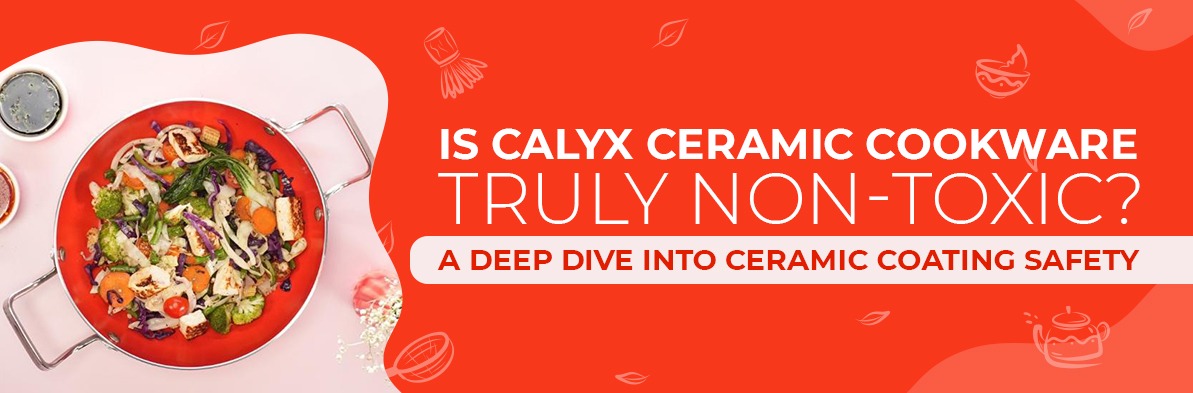
If you’ve ever stood in your kitchen wondering, “Is ceramic cookware actually safe for my family?” or “Should I switch from non-stick to ceramic pans?”
You’re not alone.
More and more health-conscious home cooks are searching for safe cookware that doesn’t harm health, and ceramic cookware often comes up as the “healthiest option.”
But is it really true?
Let’s break everything down clearly, honestly, and simply so by the end of this guide, you’ll know exactly why ceramic cookware is good for health, how to use it safely, and what to look for when buying it.
Let’s get started..
What Is Ceramic Cookware (In Simple Words)?
Ceramic cookware is metal cookware that has a ceramic-based coating on its cooking surface. This coating helps food release easily and reduces the need for excess oil. The base is usually aluminium, which allows heat to spread evenly across the pan. Ceramic cookware does not use traditional chemical non-stick coatings found in older pans. Because of this, many people consider it a safer option for everyday cooking. It performs best on medium heat and supports controlled cooking methods. Ceramic cookware works well for vegetables, sauces, dosa, and light stir-fries. It requires gentle care, such as soft cleaning and avoiding very high heat. When used correctly, the surface stays smooth and reliable over time. Ceramic cookware is chosen for balance, not aggressive or high-heat frying.
Why Ceramic Cookware Is Considered Good for Health
1. Free From Harmful Chemical Coatings
Ceramic cookware does not rely on chemical non-stick layers to prevent sticking. It is free from PFOA, PTFE, and similar synthetic substances. This reduces the risk of releasing harmful fumes during regular cooking. It also makes ceramic cookware suitable for daily use over long periods. Many people choose it to avoid repeated exposure to chemical coatings.
2. Non-Reactive With Common Ingredients
Ceramic surfaces remain stable when cooking acidic or alkaline foods. Ingredients like tomatoes, vinegar, lemon, and tamarind stay unaffected. This helps maintain the natural taste of dishes. It also prevents unwanted reactions between cookware and food. Such stability is important for everyday home cooking.
3. Supports Low-Oil Cooking Naturally
Ceramic cookware releases food easily when heated correctly. This reduces the need for excess oil during cooking. Low-oil cooking helps manage calorie intake over time. It also supports lighter meals without changing familiar recipes. The cookware encourages better control rather than forcing oil-heavy methods.
4. Helps Maintain Cooking Hygiene
The smooth ceramic surface does not absorb oil, moisture, or food smells. Cleaning becomes simpler after cooking. Food residue does not cling deeply to the surface. This reduces the chance of bacteria buildup. Better hygiene supports safer everyday meals.
5. Encourages Controlled Heat Cooking
Ceramic cookware performs best on medium heat. This encourages slower and more controlled cooking habits. Controlled heat helps prevent burning and overcooking. It also protects food texture and nutrients. Such cooking methods align well with health-focused kitchens.
Ceramic Cookware vs Traditional Non-Stick: Health Comparison
| Feature | Ceramic Cookware | Traditional Non-Stick |
| Toxic chemicals | ❌ No | ⚠️ Yes |
| Safe for health | ✅ Yes | ❌ Questionable |
| Oil required | Very little | Little |
| Fumes on heating | ❌ No | ⚠️ Yes |
| Eco-friendly | ✅ More | ❌ Less |
From a health point of view, ceramic cookware clearly wins.
Does Ceramic Cookware Affect Food Taste or Nutrition?
Ceramic cookware does not interfere with the natural taste of food because its surface is non-reactive. Ingredients cook without absorbing metallic or chemical flavours. This helps spices, vegetables, and sauces retain their original balance. The result is food that tastes the way it should.
Even heat distribution also plays an important role in taste. Ceramic cookware spreads heat evenly across the surface. This prevents certain areas from burning while others remain undercooked. Even cooking helps maintain better texture and consistency in dishes.
Nutrition is closely linked to how heat is applied during cooking. Excessive heat can break down vitamins, especially in vegetables. Ceramic cookware performs best on medium heat, which supports gentler cooking. This reduces unnecessary nutrient loss over time.
Ceramic cookware also encourages slower, controlled cooking methods. Such methods protect both taste and nutritional value. When used correctly, ceramic cookware supports healthier meals without changing familiar recipes.
Is Ceramic Cookware Safe for High Heat Cooking?
Ceramic cookware is not designed for extreme or prolonged high heat cooking. It performs best at medium temperatures where the coating remains stable. Most everyday dishes cook well within this heat range. Using ceramic cookware correctly does not pose safety concerns. Problems arise only when cookware is repeatedly overheated beyond recommended limits.
When ceramic cookware is exposed to very high heat, the coating can weaken over time. This affects its non-stick performance rather than food safety. The surface may lose smoothness and release food less easily. Overheating also shortens the overall lifespan of the cookware. This is why controlled heat matters more than maximum flame.
High heat is rarely necessary for home cooking. Vegetables, sauces, dals, and batters respond better to steady temperatures. Ceramic cookware supports these cooking methods effectively. When used with patience and correct heat, it remains safe and reliable.
Common Myths About Ceramic Cookware (Cleared Simply)
Myth: Ceramic cookware can handle very high heat without problems.
Fact: Ceramic cookware works best on medium heat and degrades with repeated high heat.
Myth: Ceramic cookware does not need any care or maintenance.
Fact: Gentle heating, soft utensils, and mild cleaning help it last longer.
Myth: Ceramic cookware allows cooking without any oil.
Fact: A small amount of oil improves cooking results and protects the surface.
Myth: Ceramic cookware is made from solid ceramic material.
Fact: Most ceramic cookware is metal with a ceramic coating on top.
Myth: Once the ceramic coating wears out, the cookware becomes unsafe.
Fact: Wear affects non-stick performance, not food safety, when used normally.
Myth: Ceramic cookware can replace all other cookware types.
Fact: It works best alongside stainless steel or cast iron for balanced cooking.
How to Use Ceramic Cookware Safely for Maximum Health Benefits
1. Use the Right Utensils to Protect the Surface
Ceramic cookware works best with wooden or silicone spatulas. These materials prevent surface scratches during cooking. Scratches reduce performance over time. Gentle utensils help maintain smooth cooking.
2. Cook on Low to Medium Heat
Low to medium heat keeps the ceramic coating stable. High heat stresses the surface unnecessarily. Most everyday dishes cook well at moderate temperatures. This supports safer and healthier cooking.
3. Avoid Harsh Cleaning Tools
Steel scrubbers can damage the ceramic coating. Scratches affect how food releases later. Soft sponges clean effectively without harming the surface. Gentle cleaning preserves cookware quality.
4. Allow the Pan to Cool Before Washing
Always let ceramic cookware cool naturally after cooking. Sudden temperature changes can weaken the coating. Cooling first protects the surface. It also prevents long-term damage.
5. Hand Wash for Better Longevity
Hand washing gives better control during cleaning. Dishwashers may be too harsh for ceramic coatings. Mild soap works well for daily cleaning. This habit helps cookware last longer.
Is Ceramic Cookware Good for Health in the Long Term?
Ceramic cookware can be a good long-term option when used and maintained correctly. The ceramic coating stays non-reactive, so it does not interfere with food over time. This helps avoid repeated exposure to unwanted substances during daily cooking. Many people choose ceramic cookware for this reason.
Long-term health benefits also depend on how the cookware is used. Cooking on low to medium heat keeps the coating stable for longer periods. Gentle use reduces surface wear and maintains consistent performance. This supports safer cooking habits over the years.
Maintenance plays an important role in long-term safety. Using soft utensils and mild cleaning methods protects the ceramic surface. Avoiding harsh scrubbers prevents unnecessary damage. Proper care helps the cookware perform reliably without health concerns.
Ceramic cookware works best as part of a balanced kitchen setup. It supports lighter cooking styles and low-oil meals. When paired with correct usage, it remains a healthy option over time.
Why Health-Focused Home Cooks Prefer Ceramic Cookware Today
- Health-focused home cooks prefer ceramic cookware because it supports cleaner cooking habits. The surface stays non-reactive, so food taste remains unchanged. This matters for people cooking daily meals with fresh ingredients. It also helps reduce unnecessary chemical exposure.
- Ceramic cookware supports low-oil cooking without forcing drastic recipe changes. Food releases easily when heated correctly. This allows home cooks to control fat intake naturally. Such control supports long-term wellness goals.
- Many home cooks also value predictable cooking results. Ceramic cookware performs best with steady, medium heat. This encourages patience and mindful cooking. Over time, these habits lead to healthier meals and better kitchen confidence.
That’s why thoughtfully designed cookware collections like those from The Chef Story focus on safe materials, clean coatings, and practical everyday use, not just looks.
Conclusion: Is Ceramic Cookware Really Good for Health?
Ceramic cookware is good for health when you choose the right quality and use it properly. It supports chemical-free cooking by avoiding harmful coatings and reacting safely with everyday ingredients. Controlled heat helps retain better nutrition, especially in vegetables and light meals. Its smooth surface also allows cooking with less oil, supporting safer everyday eating habits. At The Chef Story, ceramic cookware is designed with this balance in mind, focusing on material safety and correct usage rather than shortcuts. If your goal is healthy home cooking without stress, ceramic cookware is a smart, practical choice. Explore The Chef Story’s ceramic cookware range to begin that shift today.
Quick FAQs: Ceramic Cookware & Health
Q1. Is ceramic cookware completely non-toxic?
Yes, quality ceramic cookware is free from harmful chemicals like PFOA and PTFE.
Q2. Can ceramic cookware be used daily?
Absolutely. It’s ideal for everyday home cooking.
Q3. Is ceramic cookware safe for Indian food?
Yes. It works well for Indian dishes when used on medium heat.
Q4. Does ceramic cookware need more care?
Only basic care—no harsh tools or high heat.
Q5. Is ceramic cookware better than non-stick for health?
From a health perspective, yes.