Why Ceramic Cookware is Gaining Popularity in Indian Kitchens
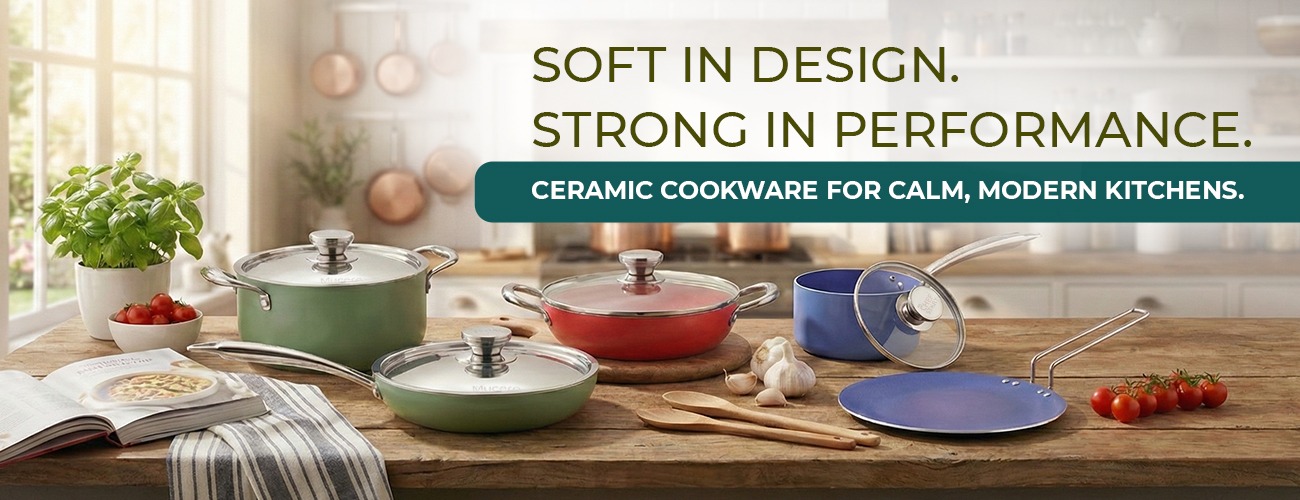
Ceramic cookware is becoming a preferred choice in Indian kitchens for simple, practical reasons, and many home cooks now consider it among the best ceramic cookware in India for daily usThis shift has pushed many families to look beyond traditional cookware and question older coatings and heavy materials. Ceramic cookware fits well into this change because it offers a safer cooking surface without making daily cooking complicated.
Low oil cooking is another strong reason behind its growing popularity. Indian meals are cooked every day, often multiple times. Using heavy oil regularly is no longer appealing to health conscious households. Ceramic cookware allows food to cook and release with less oil when used correctly. This helps reduce excess fat intake while still supporting common Indian cooking styles like sabzi, dal, shallow frying, and tempering.
Modern lifestyles also influence cookware choices. People want utensils that are easy to handle, quick to clean, and comfortable for regular use. Ceramic cookware is lighter than cast iron and easier to manage than traditional heavy utensils. Cleaning is simpler too. Most everyday residue washes off without long soaking or aggressive scrubbing, which suits busy routines.
When compared with traditional cookware, ceramic sits in a balanced position. Cast iron requires seasoning and patience. Stainless steel needs oil control and experience. Older non stick options raise safety concerns for many buyers. Ceramic cookware offers a middle ground. It feels familiar, works well for daily Indian meals, and does not demand special skills. This balance of safety, ease, and everyday usability is why ceramic cookware continues to gain trust in Indian kitchens.
Key Benefits of Ceramic Cookware
Non-stick performance:Ceramic cookware offers smooth food release when used with minimal oil. This makes everyday cooking easier without depending on heavy greasing.
Easy to clean:Food residue does not stick firmly to ceramic surfaces during regular cooking. Most cleaning can be done with mild detergent and a soft sponge.
Even heat distribution:
Ceramic cookware distributes heat evenly across the cooking surface. This helps avoid uneven cooking and burning at specific spots.
Aesthetic appeal: Ceramic cookware has a clean and modern look suited for contemporary kitchens. It blends well with open kitchens and everyday serving needs.
Is Ceramic Cookware Safe and Healthy for Daily Cooking?
1. PFOA, PTFE & toxin-free explanation
Ceramic cookware is typically made without PFOA and PTFE, which are commonly associated with traditional non-stick coatings. Their absence helps reduce concerns around chemical fumes during everyday cooking, making ceramic cookware suitable for regular home use.
2. Health advantages
Ceramic cookware supports cooking with less oil, which helps reduce unnecessary fat intake in daily meals. It is suitable for households focusing on balanced and lighter cooking and works well for Indian foods cooked on moderate heat.
3. Safe temperature range
Ceramic cookware performs best on low to medium heat, which is sufficient for most Indian dishes. Avoiding very high heat helps maintain coating performance and extends the overall lifespan of the cookware.
Ceramic Cookware vs Non Stick vs Stainless Steel vs Cast Iron
Ceramic cookware is considered a safer option for everyday cooking when made with quality coatings and is often counted among the best ceramic cookware in India for health focused kitchens. It is free from PFOA and PTFE, which are chemicals commonly questioned in traditional non-stick cookware. This makes ceramic cookware suitable for households that cook daily and want fewer safety concerns around their utensils.
From a health perspective, ceramic cookware supports low oil cooking. This helps reduce unnecessary fat intake without forcing major changes in cooking habits. Indian meals like vegetables, lentils, and light curries cook well on ceramic surfaces when used on the right heat levels. Ceramic cookware performs best on low to medium heat. Extremely high temperatures are not recommended, as they can reduce coating life over time. When used within the recommended temperature range, ceramic cookware remains stable and safe for regular cooking. For daily Indian meals, this heat range is more than sufficient, making ceramic cookware a practical and health focused choice and a key reason it is often included among the best ceramic cookware in India.
Is Ceramic Cookware Safe and Healthy for Daily Cooking?
Types of Ceramic Cookware You Can Buy
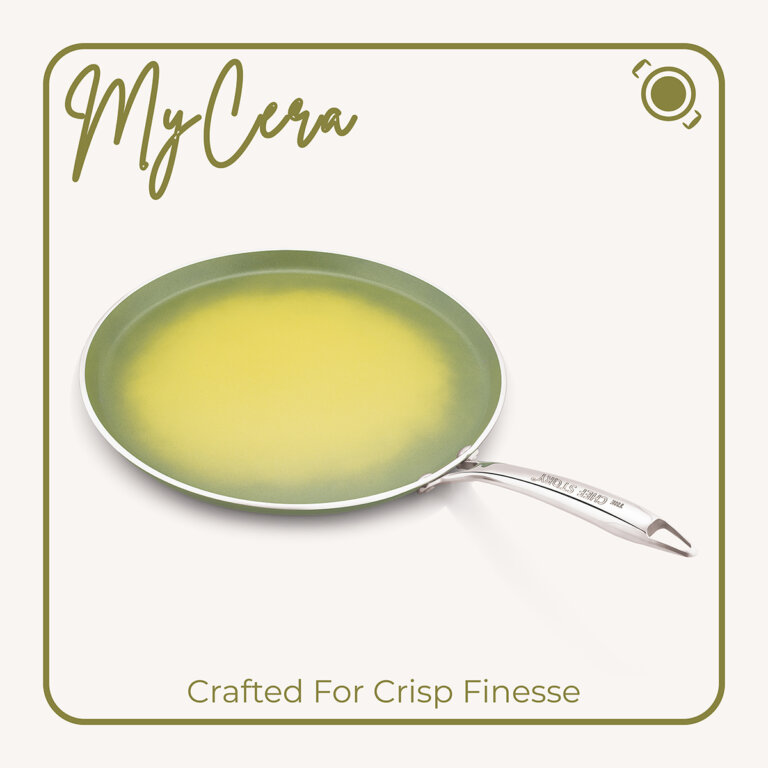
Ceramic frying pan
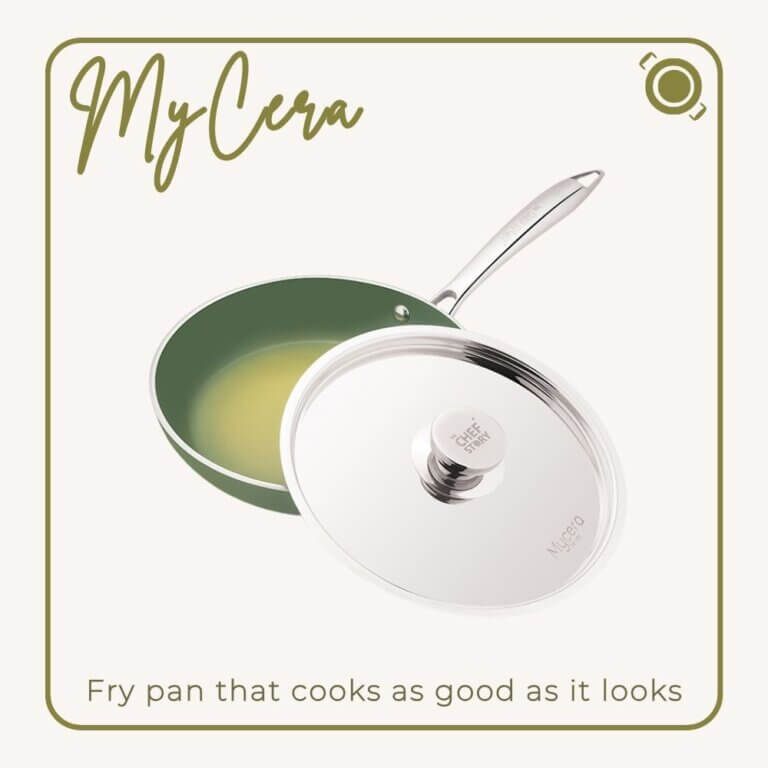
Ceramic frying pans are suitable for shallow frying and everyday cooking. They work well for vegetables, pancakes, and light sautéing using minimal oil.
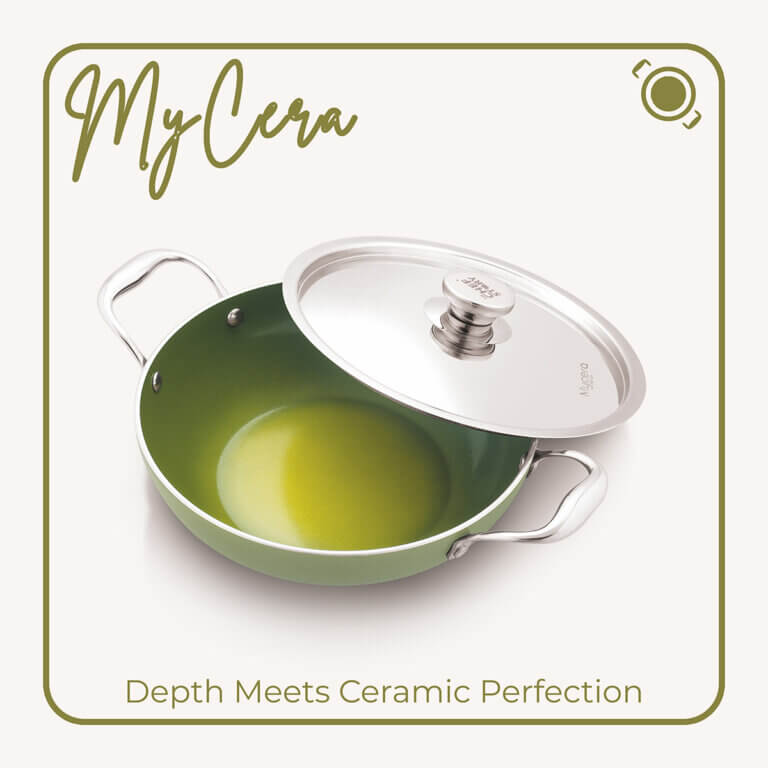
Ceramic kadai
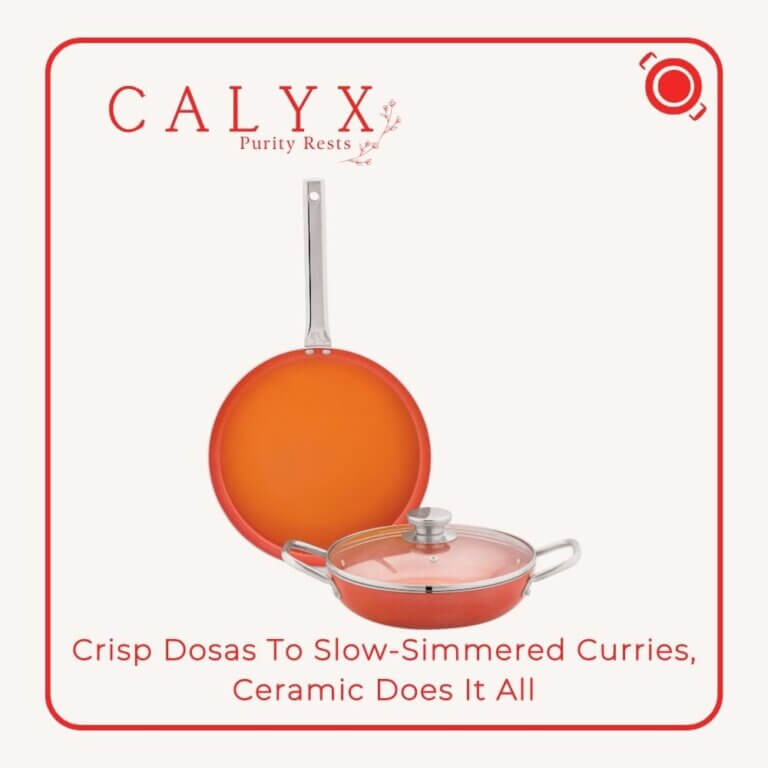
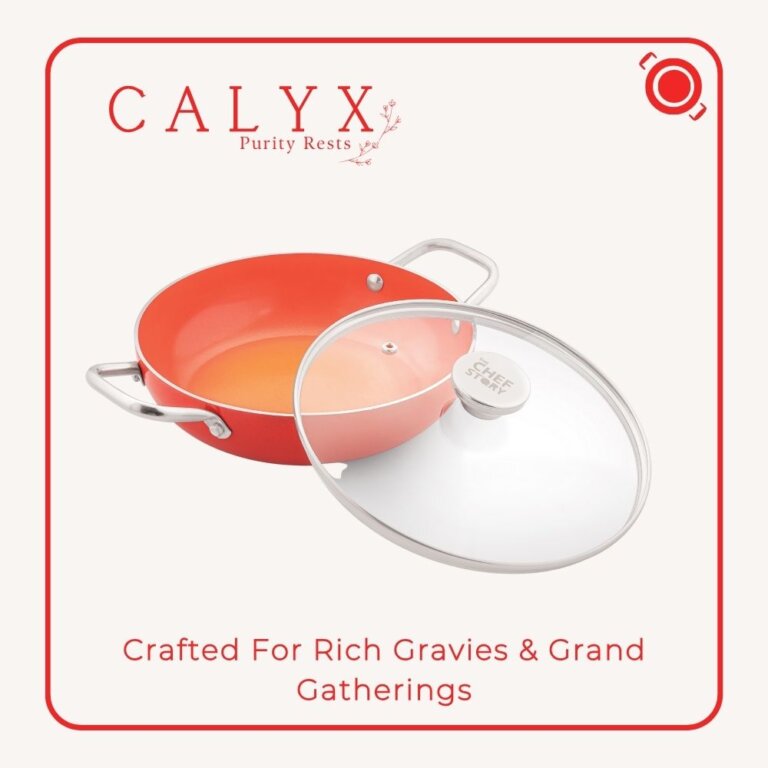
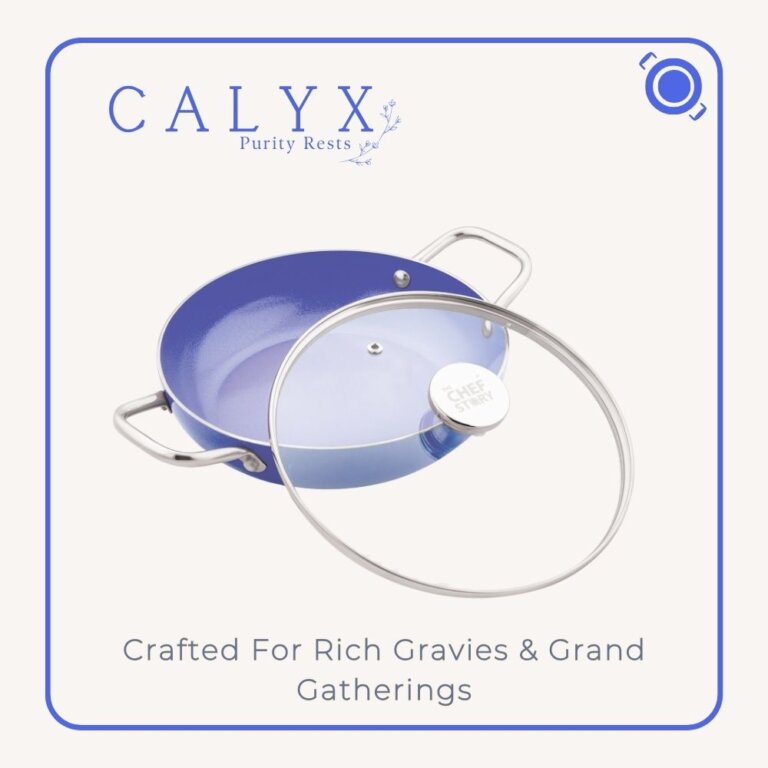
Ceramic kadais are ideal for cooking sabzi, curries, and stir-fried dishes. They handle daily Indian cooking comfortably and are useful for one-pot meals.
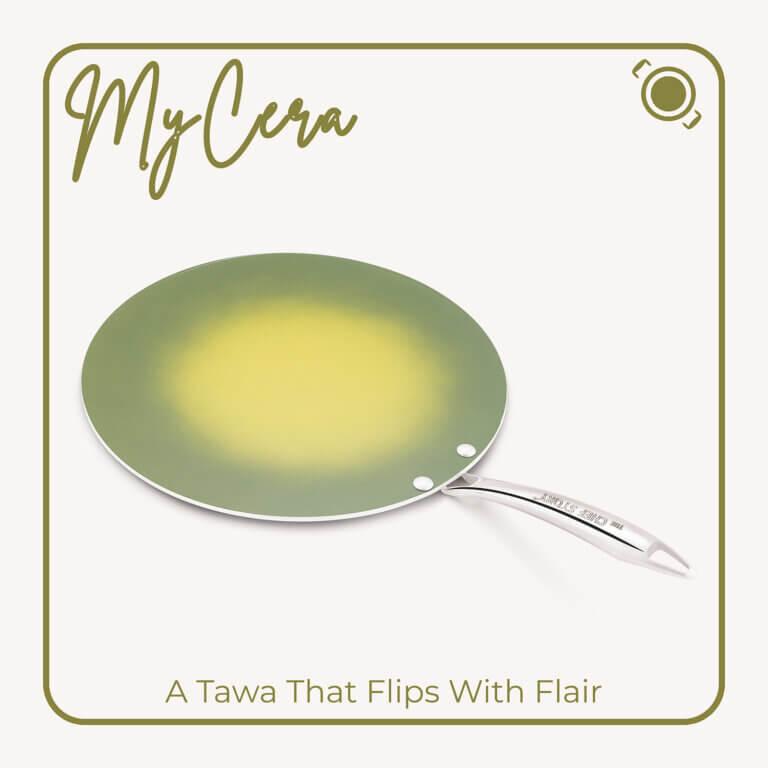
Ceramic tawa
Ceramic tawas are designed for making roti, dosa, and cheela. They allow even cooking with less oil for regular breakfast and meals.
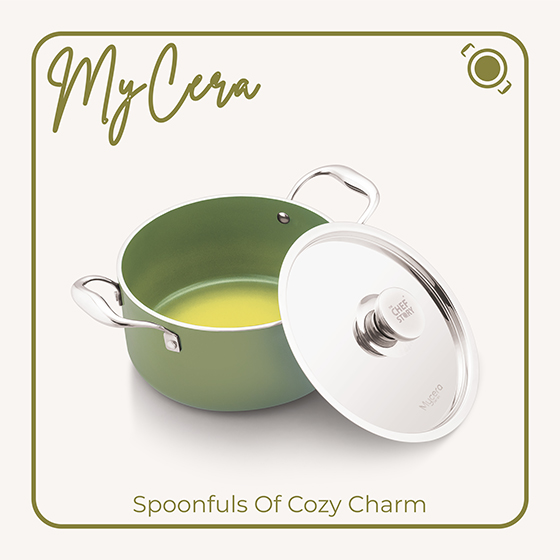
Ceramic saucepan
Ceramic saucepans are used for boiling, reheating, and preparing beverages. They are suitable for tea, sauces, and light cooking tasks.
Ceramic cookware set
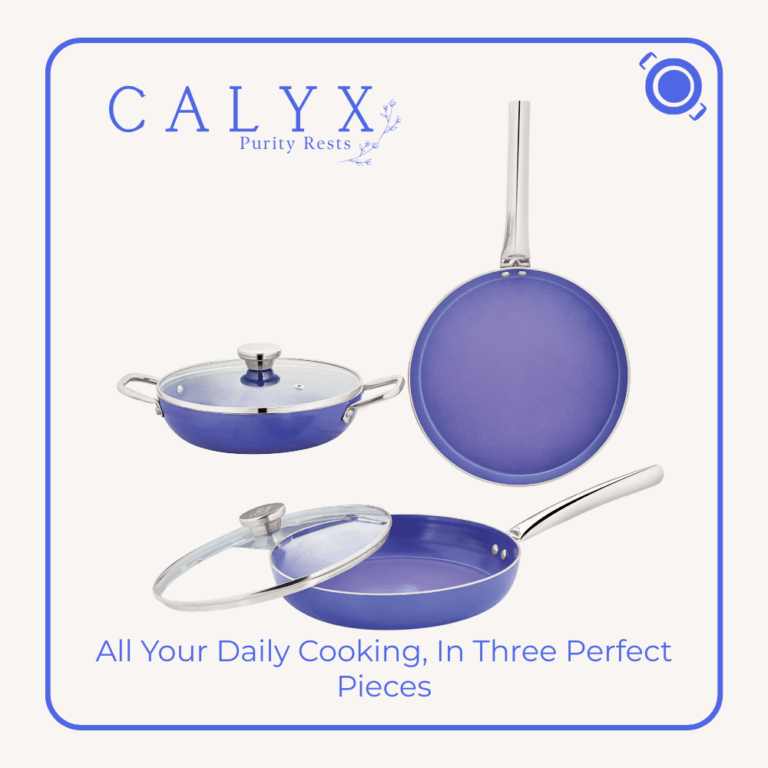
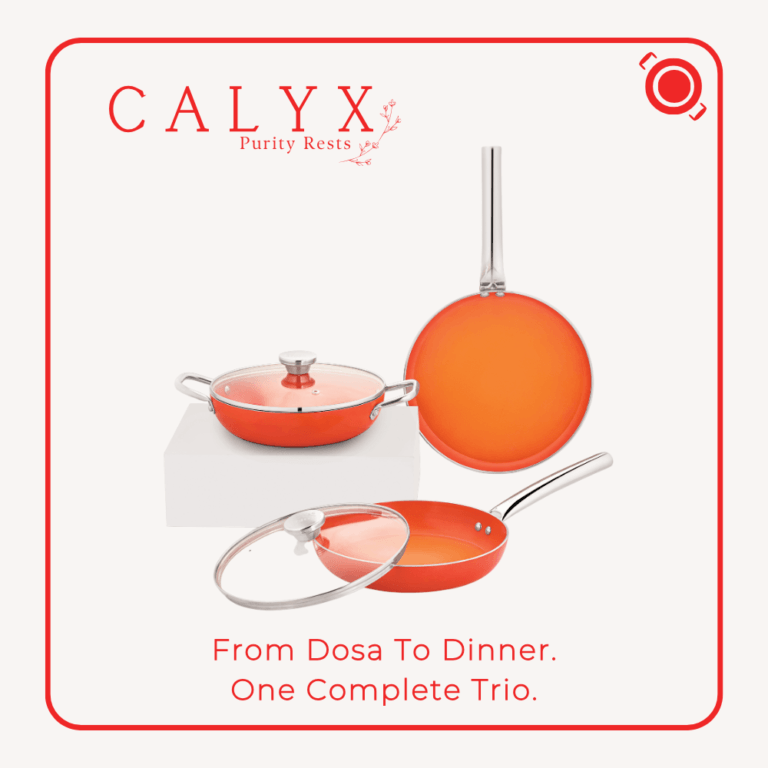
Ceramic cookware sets include multiple essential pieces for daily cooking. They are suitable for setting up a new kitchen or upgrading existing cookware.
How to Choose the Best Ceramic Cookware in India
Thickness
Always check the thickness of the cookware base. Thicker bases distribute heat evenly and reduce the chances of food burning during cooking.
Coating quality
Look for a smooth and evenly applied ceramic coating. Better coating quality improves cooking performance and increases durability with regular use.
Handle material
Handles should be heat resistant and comfortable to hold. Strong handles improve safety and control during everyday cooking.
Induction compatibility
If you use an induction cooktop, check whether the cookware is induction compatible. Not all ceramic cookware works on induction surfaces.
Warranty and brand trust
A clear warranty indicates confidence in product quality. Choosing a trusted brand helps ensure reliable performance and after-sales support.
How to Use Ceramic Cookware for Best Performance
Preheating tips
Always preheat ceramic cookware on low heat before adding ingredients. Gradual heating helps protect the ceramic coating and ensures even cooking.
Oil usage
Apply a small amount of oil before placing food in the cookware. Ceramic surfaces perform better with light oil usage rather than dry cooking.
Flame control
Use low to medium flame during cooking. Continuous high heat can reduce coating performance and affect long-term durability.
Cooking techniques
Use wooden, silicone, or nylon spatulas while cooking. Avoid metal utensils and allow the cookware to cool before washing to maintain surface quality.
Cleaning and Maintenance Tips for Ceramic Cookware
Washing methods
Wash ceramic cookware using mild dishwashing liquid and a soft sponge. Avoid harsh detergents or abrasive cleaners that can damage the coating.
Avoiding scratches
Do not use steel scrubbers or sharp utensils on the surface. Always choose wooden, silicone, or nylon tools to protect the coating.
Storage tips
Store ceramic cookware carefully to avoid surface damage. If stacking is required, place a soft cloth or protector between pieces.
Lifespan improvement
Allow cookware to cool before washing and avoid sudden temperature changes. Using proper heat levels and gentle cleaning helps extend the cookware’s lifespan.
Common Problems with Ceramic Cookware and How to Fix Them
Staining
Stains can develop over time due to cooking oils and spices. Soaking the cookware in warm water with mild cleaner helps remove stains.
Loss of non-stick
Loss of non-stick performance usually occurs due to overheating or dry cooking. Using lower heat and light oil helps restore better performance.
Food sticking
Food may stick if the cookware is not preheated properly or used without oil. Preheating on low heat and adding oil improves food release.
Discoloration
Discoloration can occur with regular use and high heat. This is cosmetic and does not affect cooking performance.
Is Ceramic Cookware Worth Buying?
Ceramic cookware is worth buying for households that prioritise safe and low oil daily cooking. It offers a balance between health, ease of use, and everyday performance, making it suitable for regular Indian meals without requiring special maintenance or cooking skills.
Who Should Buy Ceramic Cookware?
Health-conscious families
Ideal for families who cook daily and want cookware made without harmful chemicals, reducing concerns around food safety during regular cooking. It suits households that prefer safer cooking surfaces for everyday Indian meals.
Weight-loss cooking
Suitable for people focusing on low oil or balanced cooking, as ceramic cookware supports food release with minimal oil usage. It helps maintain lighter cooking habits without changing familiar recipes.
Home chefs
Well-suited for home chefs who cook frequently and need cookware that performs consistently without demanding special techniques. Ceramic cookware offers ease of handling, simple cleaning, and reliable everyday performance.
Beginners
A good choice for beginners setting up their kitchen, as ceramic cookware is easy to use and maintain. It does not require seasoning or advanced cooking skills, making daily cooking more comfortable.
Warranty and brand trust
A clear warranty indicates confidence in product quality. Choosing a trusted brand helps ensure reliable performance and after-sales support.
Yes, ceramic cookware is considered safe for daily cooking as it is typically free from PFOA and PTFE. It reduces concerns related to chemical exposure during regular use.
Ceramic cookware is often preferred by buyers looking for safer coatings. While traditional non-stick focuses on extreme slipperiness, ceramic prioritises health and balanced performance.
Ceramic cookware suits low oil everyday cooking, while stainless steel is better for high heat techniques. This balance is why many buyers shortlist ceramic options while exploring the best ceramic cookware in India for regular home use.