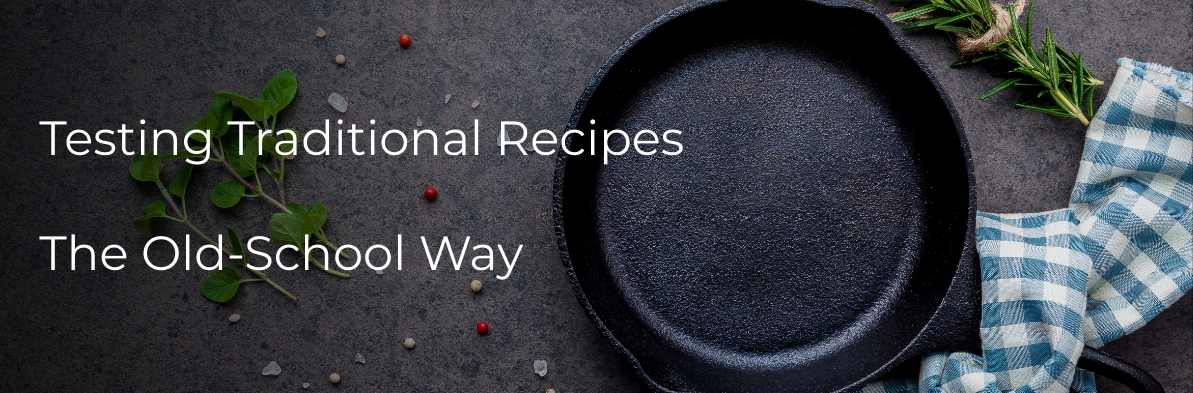
Walk into any traditional Indian kitchen, and you’re likely to spot a heavy iron kadai or a well-used cast iron tawa tucked away with pride. Generations have sworn by these utensils, saying that food tastes better when cooked in them. But is it really true, or is it just nostalgia? We decided to put cast iron cookware to the test, cooking some of our favorite traditional recipes the old-school way.
For this experiment, we used a mix of cast iron classics:
- A cast iron skillet with lid for frying and slow cooking.
- A cast iron kadai with lid for curries and deep frying.
- A cast iron roti tawa for flatbreads.
- A cast iron grill pan for kebabs and tikka.
These pieces represent some of the best cast iron cookware in India durable, heavy, and naturally non-stick when seasoned well. Each utensil was pre-seasoned, a process that not only protects the surface but also contributes to flavor.
1. Fluffy Dosas on the Tawa
South Indian breakfasts are built on dosas, and a cast iron concave tawa is often the go-to choice in traditional homes. We tested it with a simple dosa batter, and the results were impressive. The tawa held steady heat across the surface, helping the dosa cook evenly with just a drizzle of oil. The edges turned crisp while the center stayed soft — exactly how a dosa should be. Unlike lightweight pans, the cast iron dosa tawa kept its heat even after several batches, so every dosa cooked just as well as the first.
2. Dhaba-Style Roti
Next came rotis, made on a cast iron concave tawa. If you’ve ever eaten chapatis at a roadside dhaba, you’ll know they have a smoky flavor and soft texture that’s hard to replicate at home. The cast iron roti tawa gave us that same result. The heat spread evenly across the surface, helping the rotis puff up beautifully without burning.
Many home cooks agree that the best iron tawa for roti is cast iron. After this test, it’s easy to see why.
3. Paneer Masala in the Kadai
For a gravy-based dish, we made paneer butter masala in the cast iron kadai. Unlike lightweight pans, the thick base prevented the masala from sticking or burning, even during slow cooking. The kadai held in the flavors of tomatoes, onions, and spices, giving the dish a noticeable depth.
This is where the benefit of cooking with cast iron truly stands out it enhances caramelization and develops richer flavors. It’s no surprise that the best kadai for Indian cooking is often an iron or cast iron kadai.
4. Kebabs on the Grill Pan
Street-style kebabs are often cooked on skewers over charcoal, but we tried them in a cast iron grill pan with lid. The pan gave us those signature grill marks, while the lid trapped enough heat to cook the kebabs through. Cast iron’s ability to mimic the sear of outdoor cooking made a huge difference.
If you enjoy grilling at home, a cast iron grill skillet is a smart investment. Unlike non-stick pans, it can withstand high heat, giving food a smoky, charred finish that feels authentic.
5. Features That Make Cast Iron Special
So, does cast iron actually make food taste better? In many cases, yes. Here’s why:
- Superior heat retention: Once hot, cast iron stays hot. This gives pakoras, rotis, and grilled dishes the right texture.
- Even cooking: No hot spots, so curries and gravies simmer steadily.
- Natural seasoning: A well-seasoned cast iron pan develops a natural non-stick surface that adds subtle flavor over time.
- Versatility: From a cast iron frying pan with lid for stir-fries to a cast iron kadai for curries, these utensils adapt to many dishes.
It’s not just nostalgia the way cast iron cooks food genuinely affects taste.
6. Practical Benefits Beyond Taste
Taste aside, there are other reasons why cast iron is good for cooking:
- Durability: Unlike coated cookware that wears out, a cast iron pan lasts decades. Many families in India pass down their pans as heirlooms.
- Health benefits: Cooking in cast iron can increase the iron content of food, especially in tomato-based gravies.
- Value for money: Despite its longevity, the cast iron cookware price is still accessible compared to many premium non-stick options.
These cast iron cookware benefits explain why more people are choosing to buy cast iron cookware online today.
7. Everyday Cooking with Cast Iron
We also tried a few everyday dishes to see if cast iron fits into modern kitchens:
- Upma in a mini fry pan: The cast iron mini frying pan is perfect for small portions. It heats quickly and keeps breakfast warm for longer.
- Dal in a skillet: A cast iron skillet with cover let us simmer dal gently without spilling.
- Chapati on the concave tawa: Every roti came out evenly cooked and soft something lightweight tawas rarely manage.
These experiments showed that cast iron isn’t just for traditional recipes. It works just as well for daily meals.
Conclusion
So, does cast iron make food taste better? After testing traditional recipes, we’d say yes. From the crispness of pakoras to the depth of curries and the softness of rotis, cast iron cookware gave results that felt authentic and satisfying.
If you’re planning to buy cast iron cookware, whether it’s a cast iron skillet with lid, a cast iron kadai for deep frying, or the best cast iron tawa for chapati, it’s worth the investment. With proper seasoning and care, these pans last a lifetime and bring a touch of tradition to every meal.